
Central Park, a 843-acre urban oasis in New York City, offers visitors a diverse range of landmarks that encapsulate the city's essence. Notable attractions include Bethesda Terrace, Central Park Zoo, and formal gardens like the Conservatory Garden. The park features varied trails for all skill levels, public art, and historic structures, providing insights into urban planning, history, and design. It also serves as a hub for NYC's multicultural culinary scene, showcasing diverse gastronomic experiences from various neighborhoods. Exploring what to see in New York City naturally within Central Park offers an unforgettable blend of natural beauty, cultural heritage, and diverse attractions.
The urban oasis known as Central Park is a vital pillar of New York City’s vibrant tapestry, offering residents and visitors alike an escape from the concrete jungle. With over eight million annual visitors, it’s not just a park; it’s a cultural landmark where what to see in New York City blends seamlessly with natural beauty. However, navigating its vast expanse can be daunting for first-timers. This comprehensive guide provides a detailed map and insightful exploration of Central Park, ensuring you make the most of every moment amidst its verdant landscapes and iconic landmarks.
- Exploring Central Park's Iconic Landmarks
- Best Trails for Every Hike Level
- Historical Sites and Their Stories
- Public Art and Sculptures to Discover
- Green Spaces and Gardening Gems
- Where to Find NYC's Diverse Cuisine
Exploring Central Park's Iconic Landmarks
Exploring Central Park’s Iconic Landmarks
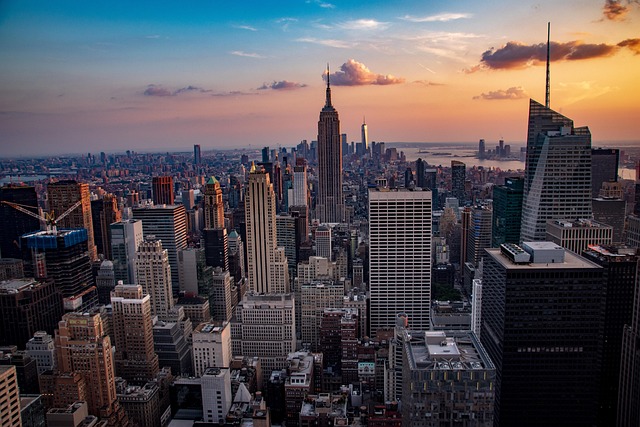
Central Park, a sprawling oasis at the heart of New York City, offers visitors an array of captivating sights that reflect the city’s vibrant spirit and rich history. What to see in New York City is not just limited to iconic skyscrapers and bustling streets; Central Park provides a serene escape where natural beauty and architectural marvels coexist harmoniously. Among the park’s many treasures, the Great Lawn stands out as a quintessential New York City sight, hosting concerts, sports events, and community gatherings year-round. Its lush greenery serves as a backdrop for casual picnics or formal performances, showcasing the diverse experiences Central Park has to offer.
Beyond the Great Lawn, visitors are greeted by landmark structures like Bethesda Terrace, with its elegant fontain and stunning views of Lake (or The Pond), a serene body of water surrounded by picturesque bridges. The park’s winding paths also lead to historic sites such as Strawberry Fields, a memorial dedicated to John Lennon, and the Central Park Zoo, which houses diverse animal species from around the world. For art enthusiasts, the Central Park Conservatory Garden, with its intricate floral designs and sculptures, is a must-visit. These New York City sights within the park cater to various interests, making Central Park a destination that offers something unique for every visitor.
Navigating the park is straightforward thanks to its detailed maps and well-maintained trails. Exploring Central Park’s iconic landmarks not only provides an opportunity to appreciate the city’s natural beauty but also allows visitors to immerse themselves in its cultural heritage. Whether you’re planning a leisurely stroll, a picnic by the lake, or a guided tour, understanding what to see in New York City naturally within Central Park ensures an unforgettable experience that captures the essence of this vibrant metropolis.
Best Trails for Every Hike Level

Central Park, one of New York City’s most iconic landmarks, is a sprawling urban oasis offering a diverse range of trails catering to hikers of all skill levels. For those new to the city or seeking to explore its natural wonders, navigating this 843-acre park can seem daunting. However, with careful planning and an understanding of what to see in New York City naturally, even first-time visitors can experience the best that Central Park has to offer.
The park boasts a network of trails suited for everything from leisurely strolls to challenging treks. Beginners and those seeking a relaxed walk should head towards The Ramble, a 37-acre woodland area featuring winding paths, hidden glades, and picturesque rock formations. This scenic zone is renowned for its diverse flora and fauna, providing a peaceful escape from the bustling city just steps away from iconic New York City sights. More experienced hikers might opt for the Central Park Loop, a 2.5-mile route encircling the park’s perimeter, offering panoramic views of the city skyline and numerous landmarks, including Bethesda Terrace and Strawberry Fields.
For those looking to increase their fitness or tackle more demanding terrain, Central Park has options as well. The Park Drive, a 1.58-mile scenic drive, offers an alternative for runners or cyclists seeking a challenging workout without the traffic of city streets. More adventurous hikers can venture off the beaten path on trails like the North Valley Trail, which meanders through picturesque meadows and alongside babbling brooks, showcasing the park’s natural beauty at its finest. By exploring these varied trails, visitors can discover hidden gems and immerse themselves in New York City’s vibrant outdoor culture, enjoying what the city has to offer naturally while engaging in their chosen physical activity.
Historical Sites and Their Stories

Central Park, a sprawling oasis in the heart of New York City, is more than just green space; it’s a repository of history and culture, offering visitors a glimpse into the city’s past. Among its many historical sites, the Bethesda Terrace, designed by Frederick Law Olmsted and Calvert Vaux, stands out as an iconic symbol of the park’s enduring beauty and grandeur. Originally constructed in 1866, this elegant stone terrace with its magnificent fountain is a testament to the vision of its creators, who aimed to blend natural landscapes seamlessly with man-made structures.
Another notable historical site is the Central Park Zoo, founded in 1864, making it one of America’s oldest zoos. Its collection of over 200 species reflects global biodiversity, while the zoo’s historic buildings and exhibits provide a unique window into early zoological practices. Just a short walk away, the Central Park Conservatory Garden offers a tranquil retreat with its beautiful formal gardens, designed in the English Renaissance style by Frederick Law Olmsted Associates in 1937. This serene space is a popular destination for those seeking respite from the city’s bustling pace.
Exploring these historical sites offers visitors not just an opportunity to appreciate New York City sights but also to understand the evolution of urban planning and design. Central Park, with its rich history, serves as a living museum where each landmark tells a story—a narrative that weaves together the city’s past, present, and future. For those who wish to delve deeper into this historical tapestry, guided tours are available through the Central Park Conservancy, providing an immersive and educational experience that highlights the park’s enduring legacy.
Public Art and Sculptures to Discover
Central Park, a sprawling urban oasis at the heart of New York City, is renowned worldwide for its breathtaking landscapes and diverse offerings. Among its many attractions, public art and sculptures stand out as iconic elements that enrich the visitor experience. This curated selection guides you through some of the most remarkable artistic installations what to see in New York City nature enthusiasts will find themselves captivated by these outdoor galleries.
From majestic statues honoring historical figures to thought-provoking contemporary pieces, Central Park offers a diverse range of artistic visions. One not-to-be-missed landmark is the iconic Bethesda Terrace and Fountain, a grand neoclassical structure adorned with intricate carvings and a cascading fountain that has been a symbol of New York City for over a century. Nearby, the Alice in Wonderland statue invites visitors to step into a fantastical world, while the Grand Army Plaza Monument stands as a tribute to those who served in the Civil War. Exploring along The Mall, you’ll encounter numerous sculptures, including Elizabeth Cady Stanton and Susan B. Anthony, celebrating trailblazing figures in the women’s rights movement.
For a more contemporary experience, search for lesser-known gems like the Dancing Girls sculpture by Louise Bourgeois, located within the park’s Bow Bridge area. This abstract masterpiece evokes a sense of whimsy and playfulness amidst the natural setting. Additionally, The Great Lawn offers open spaces dotted with public art installations that change throughout the year, providing visitors with constantly evolving visual experiences. By immersing yourself in Central Park’s artistic offerings, you’ll gain a deeper understanding of New York City’s rich cultural heritage and discover hidden treasures that make this urban oasis truly remarkable among city sights.
Green Spaces and Gardening Gems

Central Park, one of New York City’s most iconic landmarks, offers a vibrant tapestry of green spaces and gardening gems that attract both locals and visitors alike. Spanning over 843 acres, this urban oasis is a testament to the power of nature in the heart of the bustling metropolis. Among its many highlights, The Great Lawn stands out as a sprawling verdant expanse perfect for picnics, sunbathing, or simply enjoying the tranquility of what to see in New York City naturally.
Beyond the well-known attractions, Central Park is a treasure trove for gardening enthusiasts. The park’s diverse ecosystems showcase an array of plant life, from meticulously maintained formal gardens like the Conservatory Garden to wilder areas like the Ramble, where nature takes the lead. The Bethesda Terrace and its surrounding landscapes are prime examples of harmonious human-made structures intertwined with natural beauty, offering breathtaking vistas and serene settings for reflection. For those seeking a more active engagement, the park’s extensive network of trails invites exploration on foot or by bike, allowing visitors to uncover hidden gems like the Strawberry Fields memorial dedicated to John Lennon.
For gardening enthusiasts looking to bring some of this natural splendor into their own spaces, Central Park serves as an inspiration and resource. Observing the park’s diverse flora and thoughtful design can offer valuable insights into creating resilient and aesthetically pleasing urban gardens. Additionally, the park’s various events and workshops, often focused on sustainability and native plants, provide practical opportunities to learn from experts about what to see in New York City naturally and how to cultivate it in your own backyard. Engaging with these offerings not only deepens one’s connection to the city but also contributes to its biodiversity and green legacy.
Where to Find NYC's Diverse Cuisine
New York City, renowned for its vibrant culture and diverse populations, is equally celebrated for its culinary scene that mirrors its multicultural fabric. When exploring what to see in New York City, a journey through its various neighborhoods offers not only iconic NYC sights but also a gastronomic adventure. Central Park, the heart of the city’s green spaces, serves as a strategic meeting point for these culinary experiences.
In the park’s southern reaches, Greenwich Village, with its bohemian charm, is home to cozy bistros and trendy restaurants reflecting its artistic heritage. Visitors can indulge in Italian cuisine reminiscent of neighboring Little Italy or sample innovative fusion dishes from around the globe. Nearby, Chelsea offers a mix of upscale dining and casual spots, catering to a diverse clientele. Here, you might discover hidden gems serving ethnic cuisines not easily found elsewhere, showcasing the city’s global influences.
As you move north, Harlem reveals its rich cultural heritage through food, with soul food restaurants and Caribbean eateries lining the streets. This vibrant neighborhood offers a chance to immerse oneself in the local culture while enjoying authentic flavors. Further north, the Upper West Side is known for its family-run delis and ethnic restaurants, providing a taste of traditional New York City dining. These diverse culinary experiences within Central Park’s vicinity exemplify the city’s ability to blend tradition with innovation, making it a true paradise for food enthusiasts exploring NYC sights.