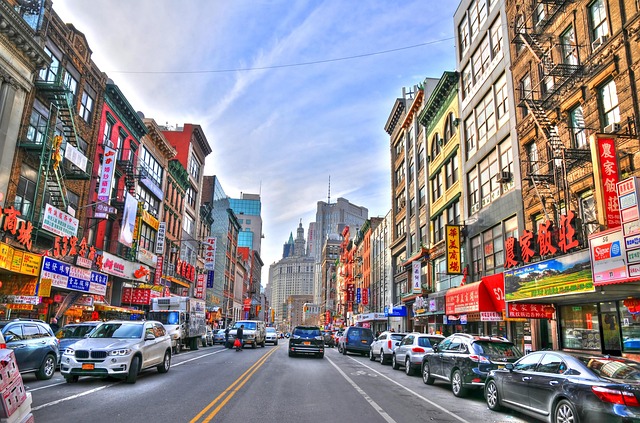
New York City Events: Strategies for Success
NYC events thrive on structured spaces like arenas and convention centers, hosting 35,000+ annual gatherings. Key strategies include:
– Venue Selection: Early booking of top-tier locations for high-profile events.
– Ticketing: Choosing platforms with tailored features, defining pricing based on capacity, attendance, and competition, offering diverse purchase options, and effective promotion.
– Crowd Management: Leveraging dynamic pricing, early bird discounts, mobile ticketing, strategic staff placement, and event apps for real-time updates.
– Technology Integration: Utilizing interactive registration, mobile apps, AR/VR for unique experiences, and data analytics for personalized events.
In the vibrant tapestry of New York City events, ticketed venues stand as gateways to cultural experiences, performances, and gatherings of all kinds. However, the management and accessibility of these spaces present significant challenges. Crowded ticketing platforms, inconsistent pricing models, and limited accessibility options can deter patrons and stifle event organizers’ potential. This article delves into the complexities of the ticketed event hub, exploring current problems and offering a comprehensive solution that leverages technology and inclusive design principles to enhance New York City events for all.
- Understanding Ticketed Event Hubs in New York City Events
- Setting Up Your First Ticketing System for NYC Events
- Best Practices for Managing Crowds at Ticketed Gatherings
- Enhancing the Experience: Technology Tips for NYC Event Organizers
Understanding Ticketed Event Hubs in New York City Events
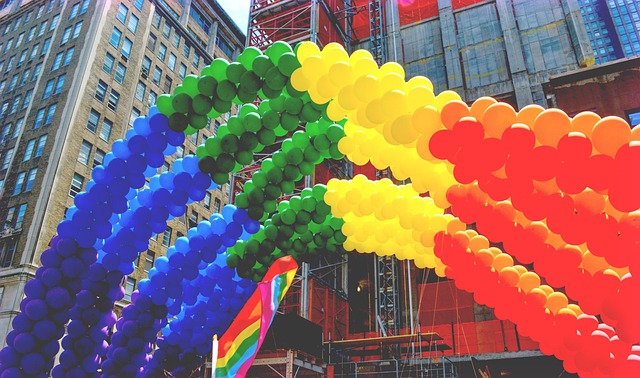
Ticketed event hubs are a critical component of New York City events, playing host to everything from concerts and theater performances to conferences and trade shows. NYC, renowned for its vibrant cultural scene and bustling calendar of activities, has long been a global leader in hosting major events that attract visitors from around the world. Understanding these hubs is essential for both event organizers aiming to navigate the competitive NYC market effectively and attendees looking to make the most of the city’s diverse offerings.
One of the key advantages of ticketed event hubs in New York City events is their ability to manage large-scale gatherings safely and efficiently. Facilities like Madison Square Garden, Barclays Center, and the Javits Convention Center are designed with state-of-the-art technology and robust safety protocols, ensuring smooth operations even during peak attendance periods. These venues not only accommodate a vast number of spectators but also offer customizable spaces that can be tailored to suit various event types, from intimate performances to sprawling trade fairs.
NYC upcoming events data reveals a thriving industry centered around these ticketed hubs. According to recent statistics, the city hosts over 35,000 events annually, with nearly half of them taking place in dedicated event spaces like arenas and convention centers. This highlights the demand for structured and organized gathering places, where attendees can enjoy high-quality experiences without compromise. For organizers, booking these venues offers logistical peace of mind, allowing them to focus on delivering exceptional content and entertainment. Expert advice suggests that early venue selection is crucial, with top-tier locations often booked well in advance, especially for high-profile events.
Setting Up Your First Ticketing System for NYC Events
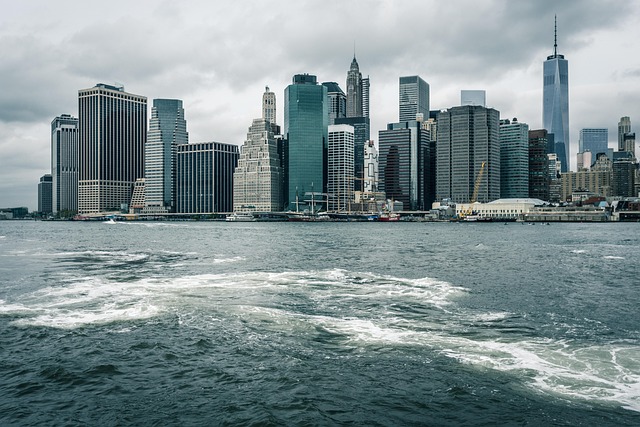
Setting up a ticketing system for NYC events can seem daunting, but with careful planning and the right tools, you’ll be organized and ready to welcome attendees for your first event in no time. New York City is a bustling metropolis known for its vibrant and diverse events scene, from art exhibitions and theater performances to music festivals and sports matches. Understanding this landscape is crucial when preparing to host an event that attracts a crowd. The key to a successful ticketing experience begins with selecting the right platform. Look for features that cater to your specific needs—from ticket types (general admission, VIP) to revenue management tools and seamless integration with popular event apps.
Once you’ve chosen your software, the next step is defining your pricing strategy. Consider factors like venue capacity, expected attendance, and competition among NYC events. Researching similar upcoming events in the city can provide valuable insights into price points, helping you set competitive yet profitable rates. Remember, ticketing isn’t just about sales; it’s also about creating an accessible experience for attendees. Ensure your system allows for a range of purchase options—from online sales to ticket transfers and event-day purchases. Additionally, implement clear communication channels to keep attendees informed about event details, changes, or cancellations.
Beyond technical considerations, think strategically about the promotional aspects of your ticketing campaign. Leverage social media platforms to generate buzz around your NYC event by creating shareable content and partnering with local influencers. Collaborate with event partners and sponsors to cross-promote each other’s offerings, expanding your reach among potential attendees. By integrating these strategies into your initial ticketing setup, you’ll be well-positioned to manage and grow your events in the bustling New York City market, ensuring a successful launch for what promises to be an exciting chapter in NYC’s event calendar.
Best Practices for Managing Crowds at Ticketed Gatherings
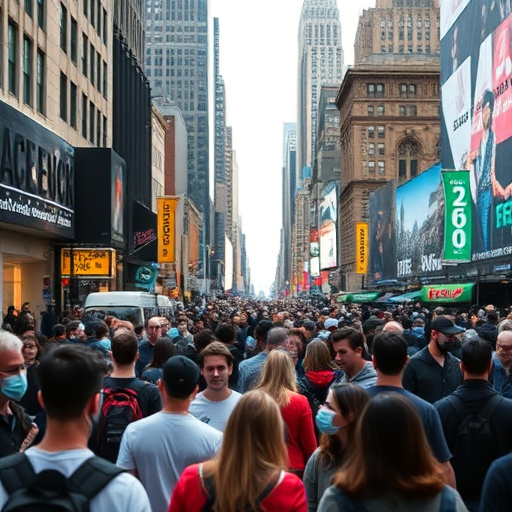
Managing crowds at ticketed events in high-density areas like New York City presents unique challenges. As one of the global hubs for cultural, artistic, and sporting events, NYC consistently attracts massive turnouts for everything from art exhibitions to music festivals. Successful crowd management is crucial for ensuring safety, enhancing guest experiences, and maximizing event revenue. This involves a multi-faceted approach that blends strategic planning, clear communication, and efficient logistics.
Best practices begin with robust ticket sales strategies. Dynamic pricing models, early bird discounts, and limited access tickets can help spread out attendance throughout the event duration. For instance, offering tiered pricing for New York City events naturally caters to different budgets while managing peak crowd times. Additionally, utilizing technology for seamless mobile ticketing enhances entry efficiency and reduces queues at venue entrances.
On-site crowd control is another critical component. Strategic placement of staff, clear signage, and well-defined entry and exit points are essential. Utilizing event apps to provide real-time updates on wait times and crowd densities allows attendees to make informed decisions, reducing congestion. For upcoming events in NYC, considering the unique cityscape—its narrow streets and high-rise buildings—in planning routes and assembly areas is paramount to avoid overwhelming local infrastructure.
Finally, continuous evaluation and adaptation are key. Crowds at New York City events naturally ebb and flow, influenced by various factors from weather to local events. Data-driven insights gathered through event analytics can help optimize strategies in real time. This includes adjusting security measures based on crowd behavior or reconfiguring seating arrangements to accommodate varying attendance levels. Embracing these best practices ensures that NYC’s upcoming events remain vibrant and accessible for all attendees, celebrating the city’s reputation as a cultural and entertainment mecca.
Enhancing the Experience: Technology Tips for NYC Event Organizers

New York City events have always been synonymous with vibrancy, diversity, and cutting-edge technology. As the city continues to evolve, event organizers face the challenge of enhancing experiences while navigating a landscape brimming with possibilities. This section delves into actionable technology tips for NYC event organizers, aiming to elevate upcoming events in the bustling metropolis.
Leveraging digital tools is no longer an option but a necessity for successful nyc upcoming events. From interactive registration platforms that streamline check-ins and gather valuable attendee data, to mobile apps offering real-time updates on schedules and venue maps, these innovations significantly enhance participant engagement. Consider implementing event apps like Bizzabo or Eventbrite, which not only facilitate seamless navigation but also provide organizers with insightful analytics post-event.
Immersive technologies are transforming the way New York City events are experienced. Augmented Reality (AR) and Virtual Reality (VR) offer unique opportunities to create captivating experiences that transcend traditional methods. For instance, using AR for product demonstrations at trade shows or VR simulations for educational workshops can significantly enhance attendee interaction and understanding. These innovative tools not only captivate audiences but also provide a competitive edge in an increasingly digital world.
Personalization is key to memorable nyc upcoming events. Utilizing data analytics allows organizers to tailor experiences based on individual preferences and behaviors. This could involve targeted email campaigns with personalized content or interactive displays that adapt to attendees’ interests. By leveraging technology to create personalized touchpoints, event organizers can foster deeper connections with participants, ensuring a more satisfying and unforgettable experience in the heart of New York City.